
Education

CANCER: A THREAT TO LIVELIHOOD

INTRODUCTION

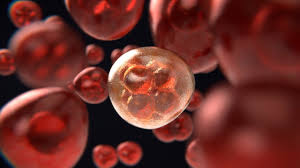
The human body can be compared to a busy city where cells act as citizens. Normal cells follow strict rules: they grow, divide, and die in a controlled manner to keep the body healthy. Cancer begins when some cells break these rules. These abnormal cells grow and multiply uncontrollably, disrupting the body’s normal balance.

As cancer cells accumulate, they form tumors, which may be benign or malignant. Benign tumors are non-cancerous and usually remain in one place, causing little harm. Malignant tumors, however, are dangerous because they invade nearby tissues and spread to other parts of the body through the blood or lymphatic system, a process known as metastasis.  Therefore, cancer turns an organized cellular system into a disordered and harmful one.

WHAT IS CANCER?

Cancer is a disease caused by the uncontrolled growth and division of abnormal cells in the body. Under normal conditions, cell growth and death are carefully regulated to maintain balance. Cancer cells escape these controls, leading to rapid growth and tumor formation.

Tumors can be benign or malignant. Benign tumors are not cancerous and do not spread, while malignant tumors are cancerous and can invade surrounding tissues and spread to distant organs. Cancer is a complex disease with many types, each differing in cause, behavior, and response to treatment.

MOST COMMON TYPES OF CANCER IN NIGERIA

In Nigeria, cancer control is coordinated by the National Cancer Control Programme (NCCP) under the Federal Ministry of Health, in collaboration with organizations such as NAFDAC, NIMR, and WHO.

According to the NCCP, common cancers in Nigeria include breast cancer, cervical cancer, prostate cancer, colorectal cancer, lung cancer, ovarian cancer, stomach cancer, leukaemia, pancreatic cancer, and non-Hodgkin lymphoma.

DIAGNOSIS OF CANCER

Cancer diagnosis usually involves several medical tests. Blood tests may detect abnormal substances produced by cancer cells. Imaging tests such as CT scans, MRI, and PET scans help locate tumors, determine their size, and check if cancer has spread.

A biopsy involves removing a small tissue sample for examination under a microscope to confirm cancer. Genetic tests may also be used to identify specific mutations linked to certain cancers.

RISK FACTORS OF CANCER

Several factors increase the risk of developing cancer. These include family history, smoking, obesity, lack of physical activity, drug use, and exposure to harmful chemicals.

Smoking is a major risk factor for lung and other cancers. Obesity and a sedentary lifestyle increase the risk of cancers such as breast and colon cancer. Some cancers are inherited due to genetic mutations passed down through families. Exposure to chemicals like asbestos, especially in workplaces, can also raise cancer risk.

POSSIBLE PREVENTION OF CANCER

Cancer prevention focuses on reducing exposure to risk factors and maintaining a healthy lifestyle. Preventive measures include avoiding smoking, exercising regularly, eating a balanced diet, and maintaining a healthy weight.

Limiting alcohol intake, avoiding excessive sun exposure, and going for regular cancer screenings are also important. Vaccines such as the HPV vaccine help prevent certain cancers, especially cervical cancer.

POSSIBLE TREATMENT OF CANCER

Cancer treatment depends on the type and stage of the disease. Common treatment methods include surgery, radiotherapy, chemotherapy, targeted therapy, immunotherapy, and stem cell transplantation. Sometimes, a combination of treatments is used.

Surgery involves removing the tumor and sometimes nearby lymph nodes. Radiotherapy uses high-energy radiation to destroy cancer cells. Chemotherapy uses drugs to kill rapidly dividing cancer cells, though it may cause side effects such as hair loss and nausea. Targeted therapy attacks specific features of cancer cells, while immunotherapy helps the body’s immune system fight cancer. Stem cell transplants are mainly used for blood cancers like leukaemia.

IMPACTS OF CANCER

Cancer affects individuals and families emotionally, socially, and economically. Emotionally, patients may experience fear, anxiety, depression, and uncertainty. Family members and caregivers also face emotional stress while supporting their loved ones.

Economically, cancer treatment is expensive. Many patients lose income due to illness or job loss, while medical bills create financial hardship. On a larger scale, cancer places a heavy burden on Nigeria’s healthcare system and economy, making it a major public health challenge.

CONCLUSION

Cancer is a serious disease that affects physical health, emotional well-being, and economic stability. Its impact goes beyond individuals to families, communities, and the nation. However, early detection, healthy lifestyles, preventive measures, and advances in medical treatment offer hope. With proper awareness, coordinated healthcare efforts, and strong support systems, the burden of cancer can be reduced and quality of life improved.


EXAMINATION MALPRACTICE: A THREAT TO ACADEMIC INTEGRITY

INTRODUCTION

In almost every contemporary nation, examinations serve as a primary means of evaluating students’ skills, knowledge, and abilities in specific subjects or fields. This form of assessment typically involves answering questions, solving problems, or demonstrating competence, and it acts as a key indicator of an individual’s understanding and proficiency in a given area. Examinations may take various forms, including written tests, practical assessments, and oral interviews, depending on the educational or professional context.

Within the Nigerian educational landscape, examinations are widely used at all levels, primary, secondary, and tertiary institutions. Despite their importance, a persistent challenge in the administration of these assessments is the widespread incidence of examination malpractice. This endemic problem has become a major concern within the Nigerian education system and demands serious attention due to its far-reaching consequences.

EXAMINATION MALPRACTICE

Examination malpractice, often described as the forbidden fruit of the academic world, is universally recognized as an ethical violation. Despite widespread awareness of its wrongfulness, some individuals still succumb to dishonest practices in pursuit of academic success. The issue of cheating presents a narrative of temptation, deceit, and consequences, all rooted in the fundamental dilemma: to cheat or not to cheat.

Examination malpractice refers to any inappropriate, illegal, or unethical behaviour exhibited by candidates, teachers, invigilators, or even parents, aimed at gaining undue advantage in examinations. Such actions undermine the fairness and credibility of assessments. Examples include copying answers, bringing unauthorized materials into the examination hall, impersonation, bribery, and other deceptive practices intended to secure higher scores.

The methods of examination malpractice are diverse and continually evolving, ranging from copying another candidate’s work to the use of concealed materials such as written notes, electronic devices, invisible ink, or answers hidden on personal items like water bottle labels. Regardless of the form it takes, examination malpractice is unethical, unfair to other students, and carries severe consequences for those involved.

WHY PEOPLE ENGAGE IN EXAMINATION MALPRACTICE

The reasons people engage in examination malpractice are complex and multifaceted. While poor preparation and the pressure to achieve high grades are often cited, deeper underlying factors also contribute to this behaviour.

Some students resort to cheating because they feel inadequately prepared and experience anxiety or panic about their academic readiness. Poor time management, procrastination, and competing responsibilities can also increase the temptation to cheat. Additionally, pressure from parents, teachers, or society to achieve excellent grades or gain admission into prestigious institutions may push some individuals toward dishonest practices.

Fear of failure, coupled with low self-confidence, can make cheating appear to be the only viable option. The belief that “everyone is doing it” and the assumption that one can avoid detection further normalize malpractice, even though it remains unjustifiable. Although various measures, such as surveillance, invigilation, technological monitoring, and honour codes, are used to detect cheating, some individuals still underestimate the risks involved. In reality, the consequences of being caught are severe and far outweigh any perceived short-term benefits.

EFFECTS OF EXAMINATION MALPRACTICE

The effects of examination malpractice extend beyond the individual to the entire educational system. It erodes the integrity and credibility of academic institutions, fostering mistrust and unhealthy competition among students. When malpractice becomes widespread, grades and certificates lose their value, negatively affecting the quality of education and institutional reputation.

On a personal level, individuals involved in malpractice may struggle with guilt, shame, and a loss of self-confidence. Such experiences can lead to a negative perception of education, reduced motivation to learn, and poor academic performance in the long term. Furthermore, a culture of dishonesty can develop, undermining the learning environment and impeding personal and societal progress.

CONSEQUENCES OF EXAMINATION MALPRACTICE

The consequences of examination malpractice can be broadly categorized into academic and non-academic repercussions.

Academic consequences include failing grades, cancellation of examination results, repetition of courses, suspension, expulsion, and a permanently damaged academic record, which may limit future educational and career opportunities.

Non-academic consequences may involve social stigma, damaged reputation, loss of trust, emotional distress, and, in severe cases, legal action. Even when malpractice goes undetected, it negatively affects personal development by depriving individuals of genuine learning and essential skills needed for future success.

Cheating does not only harm the individual involved; it also affects others. It places honest students at a disadvantage and can damage the reputation of schools and universities. Therefore, it is crucial to consider the long-term implications of one’s actions rather than focusing solely on short-term gains.

CONTROL OF EXAMINATION MALPRACTICE IN OUR LEARNING ENVIRONMENT

Controlling examination malpractice requires a comprehensive approach that promotes honesty, integrity, and accountability. Educational institutions should clearly define expectations, enforce rules consistently, and cultivate a culture that values ethical conduct. Improved examination security, innovative assessment methods, and curricula that emphasize understanding rather than rote memorization can reduce opportunities for cheating.

Providing academic support through tutoring, counselling, and study groups can help address the root causes of malpractice by assisting struggling students and reducing academic pressure. Additionally, the adoption of modern technologies, such as surveillance systems, computer-based monitoring software, and plagiarism detection tools, can further enhance examination integrity. Honour codes and collective responsibility among students and staff also play a vital role in discouraging malpractice.

CONCLUSION

Examination malpractice remains a significant challenge that requires urgent and sustained attention. By fostering a culture of honesty, strengthening examination security, and providing adequate support for students, the prevalence of malpractice can be significantly reduced. Addressing underlying issues such as stress, fear of failure, and external pressure through holistic educational strategies is essential for creating an environment that supports genuine learning and success.

Furthermore, all stakeholders in education, including policymakers, educators, parents, and students, must collaborate to discourage malpractice and promote ethical behaviour. By reinforcing the importance of academic integrity and instilling a sense of responsibility in learners, we can work collectively toward an educational system where examination malpractice becomes a rare exception rather than a widespread problem.